Our research
We seek to explore how locally valued forms of education may both contradict or align with global education policies and ideals. We want to initiate discussions as to how education policy-making can reflect the global-local nexus of development.
Pedagogical policymaking and implementation in Ghana
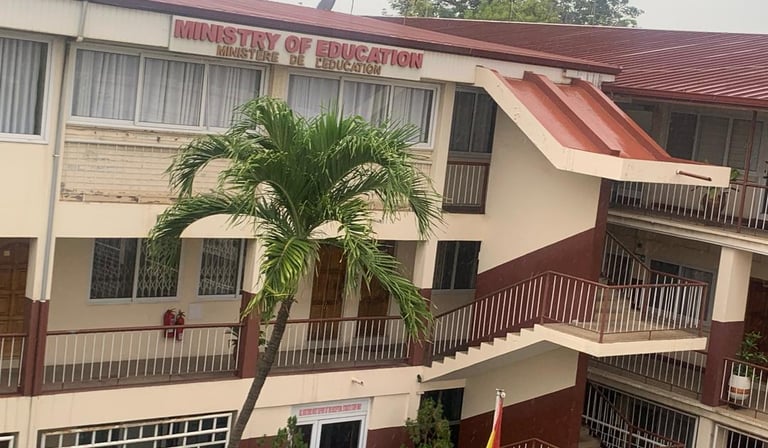
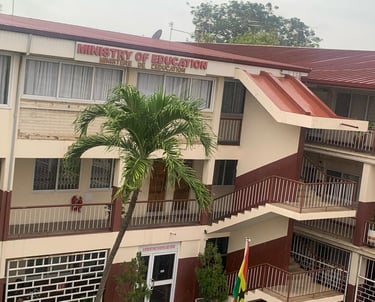
Our initial research focus was the interface between local and Western priorities in implementing an international education aid project. We looked at power relations, and the resultant negotiation and collaboration, between external and internal stakeholders and within national institutions and structures. The research sought to question the influence of these dynamics on the process of implementing the aid project. Phase one of this research in Ghana led us to focus on indigenous learning practices and beliefs and consider these in other countries with similar contexts.
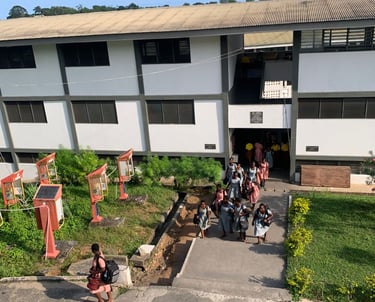
Locally valued pedagogies in Ghana, Kenya, Tanzania and Mexico
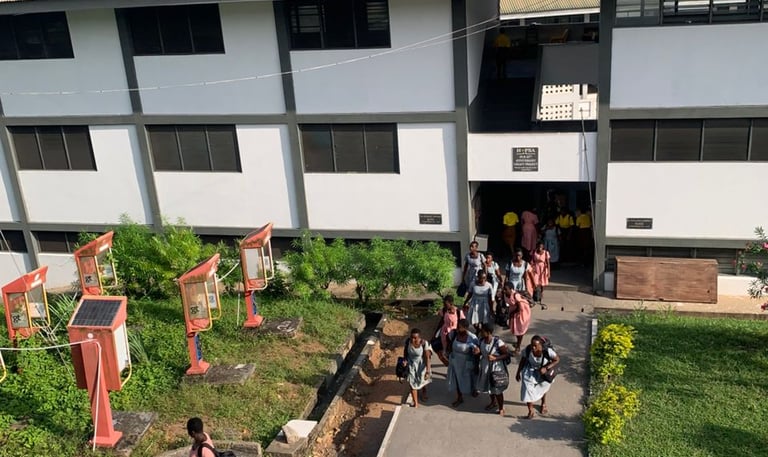
In this study, TALAAB has extended its research on the impact of the local and global nexus on education practices in Ghana. It looks across borders to explore and compare the values, practices and policies in Ghana, Kenya and Tanzania.
Nozomi Sakata, the TALAAB team leader, has led research in Mexico on how teachers navigate the contextualisation of curriculum and pedagogy within their localities. This is explored within light of the Nuevo Escuela Mexicana reform, which emphasises indigenous values, knowledge and practices through education.
Ways of working
We feel the collaboration of the TALAAB team members in this key research area is in itself rich and innovative. Mutual respect, flexibility and openness are the key elements of our ways of working together. We are learning how to ensure meaningful and quality research across different contexts, time zones, and with different educational experiences, values and practices. We welcome the experiences of other researchers who are focusing on the nexus between local and global education practices, and of those who may be working similarly across borders.
Research Processes
Using AI for interview translation
In this video, Dr James Sankale, a member of the TALAAB team, talks about his experience of using Artificial Intelligence (AI) for the interpretation of interviews in Kiswahili with headteachers, teachers, education officials and parents.
Although Kiswahili has an estimated two hundred million speakers across 14 African countries, and we acknowledge the obvious advantages of using AI, there are still limitations. Dr Sankale describes how these can lead to misinterpretation and misunderstanding that can ultimately distort research findings. Dr Sankale ends by reflecting on how best to manage the challenges identified. He is followed by input from Mr Christopher Yates, a former University College London, Institute of Education academic, who discusses the wider implications and limitations of AI, regarding the monopolisation and homogenisation of knowledge.
